

Eyedeal Marks First Commercial Implantation of DiamondSoft® xPIB Aspheric IOL
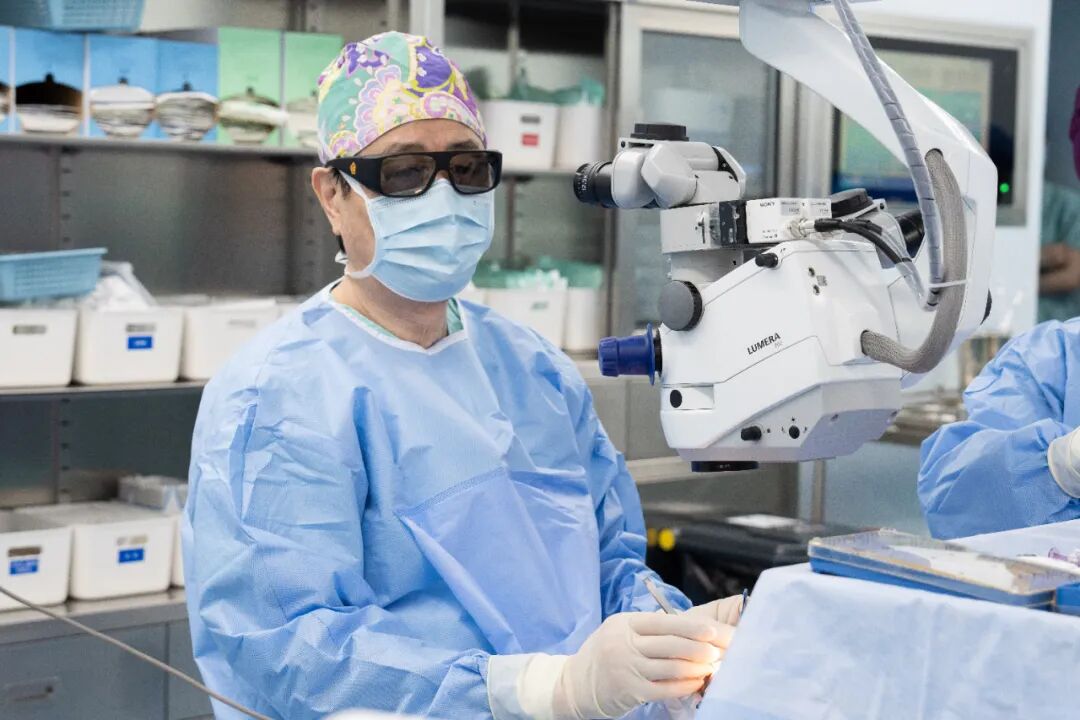
Eyedeal marked the successful first commercial implantation of its next-generation DiamondSoft® Cross-linked Polyisobutylene (xPIB) Aspheric Intraocular Lens (IOL) at Zhejiang University Eye Hospital, China,on May 12, marking an important milestone in the clinical application of advanced ophthalmic biomaterials.
The DiamondSoft® xPIB IOL is a one-piece posterior chamber intraocular lens featuring a foldable optic material, dual C-loop haptics, and a monofocal aspheric optic design. The lens received designation as an Innovative Medical Device from China’s National Medical Products Administration (NMPA) on September 29, 2025, supporting its subsequent commercialization. From raw material development and optical design to manufacturing and quality control, the entire platform was independently developed and commercialized by Eyedeal.
At the core of the product is Eyedeal’s globally patented cross-linked polyisobutylene (xPIB) material platform. Compared with conventional acrylic IOL materials, xPIB demonstrates exceptional hydrophobicity, effectively eliminating glistenings commonly observed in conventional acrylic IOLs. The material also combines a high refractive index with a high Abbe number, enabling enhanced optical clarity, reduced chromatic aberration, and improved overall image quality.
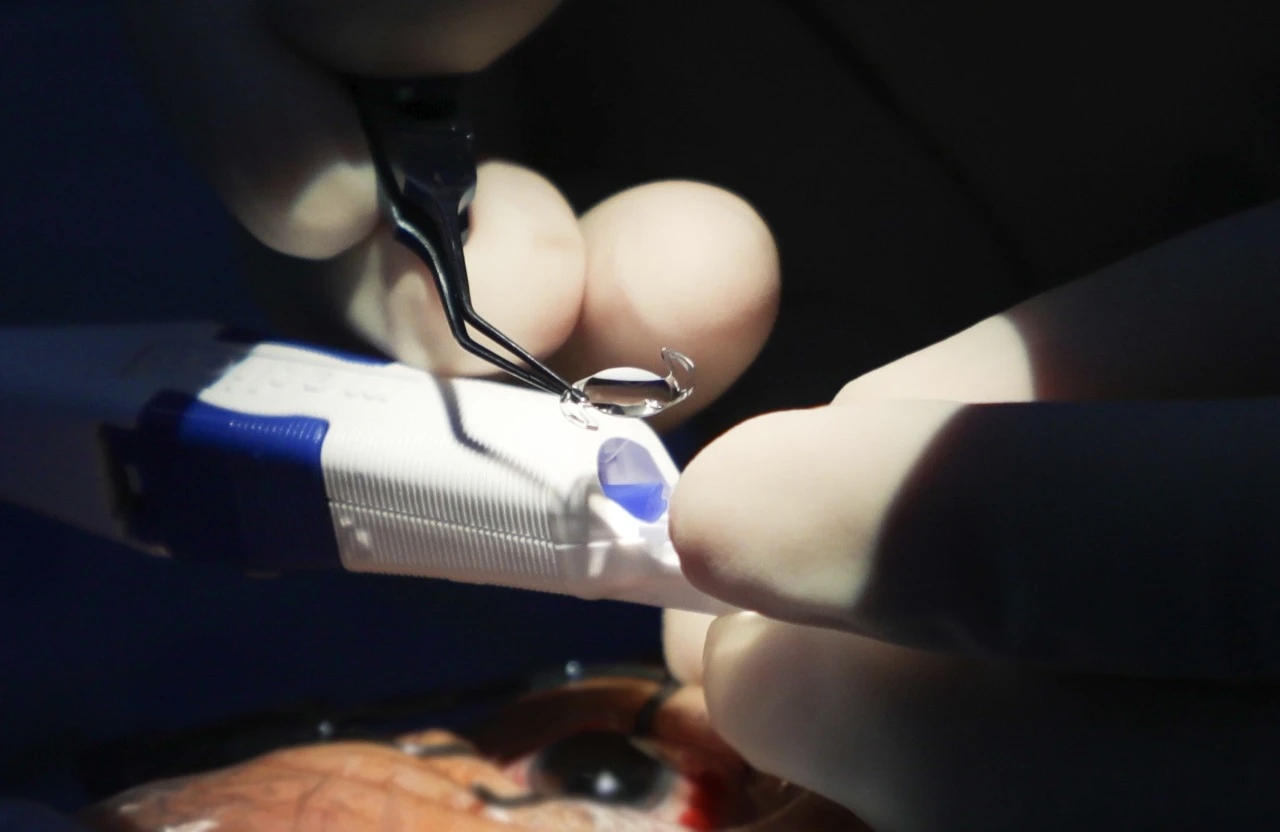
The material’s unique elasticity and compressibility allow the lens to achieve a unique combination of a large 6.5 mm optic diameter and micro-incision implantation capability. The lens can be implanted through a 2.0 mm incision while unfolding smoothly and maintaining excellent intraocular stability. Its optical design is intended to reduce glare and halos, helping patients achieve clearer, more comfortable vision, especially in low-light environments.
Since its introduction, the xPIB Aspheric IOL has attracted strong interest from the ophthalmic community and received positive feedback from leading cataract specialists.
Professor Yao, Academician of the Academia Ophthalmologica Internationalis and President of Zhejiang University Eye Hospital, who performed the first implantation surgery, commented: “The procedure was completed smoothly, and the patient’s postoperative visual recovery has been very encouraging.”
Professor Yao noted that the xPIB material demonstrates excellent transparency while allowing the lens to remain thin, flexible, and safely foldable during implantation. He emphasized that the 6.5 mm large-optic lens can be smoothly delivered through a 2.0 mm micro-incision, unfolding in a controlled and stable manner inside the eye while maintaining excellent positioning and long-term capsular bag stability.
“The advantages of xPIB are fully reflected in this IOL,” Professor Yao added. “In addition to diabetic retinopathy patients, individuals with hypertensive fundus disease, retinal complications associated with high myopia, and small pupils may also benefit significantly from the support provided by a large-optic IOL platform.”
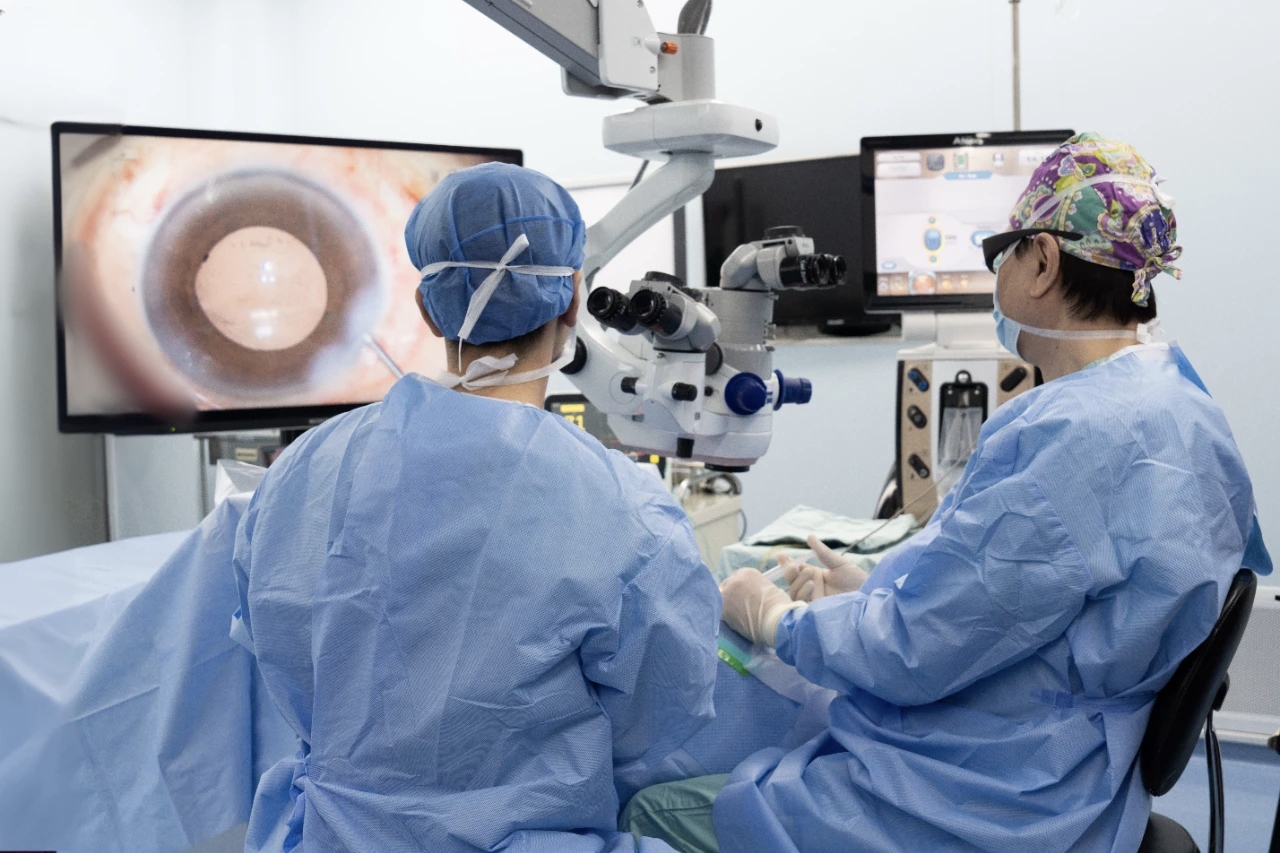
Cataract remains the leading cause of blindness worldwide, and surgery continues to be the only effective treatment. Professor Yao expressed strong confidence in the future of intraocular lens innovation, noting that over the past three years he has performed first-in-human implantation procedures for more than 20 innovative IOLs developed by both Chinese and international manufacturers.
“As IOL technologies continue to evolve, clinical performance and postoperative visual outcomes have improved substantially,” he said. “Among these advances, the clinical application of the xPIB IOL represents a particularly meaningful breakthrough. This technology marks an important new milestone in the evolution of intraocular lenses and may help shape the next generation of cataract treatment worldwide.”